
Lilly pilly Growing gUIDE
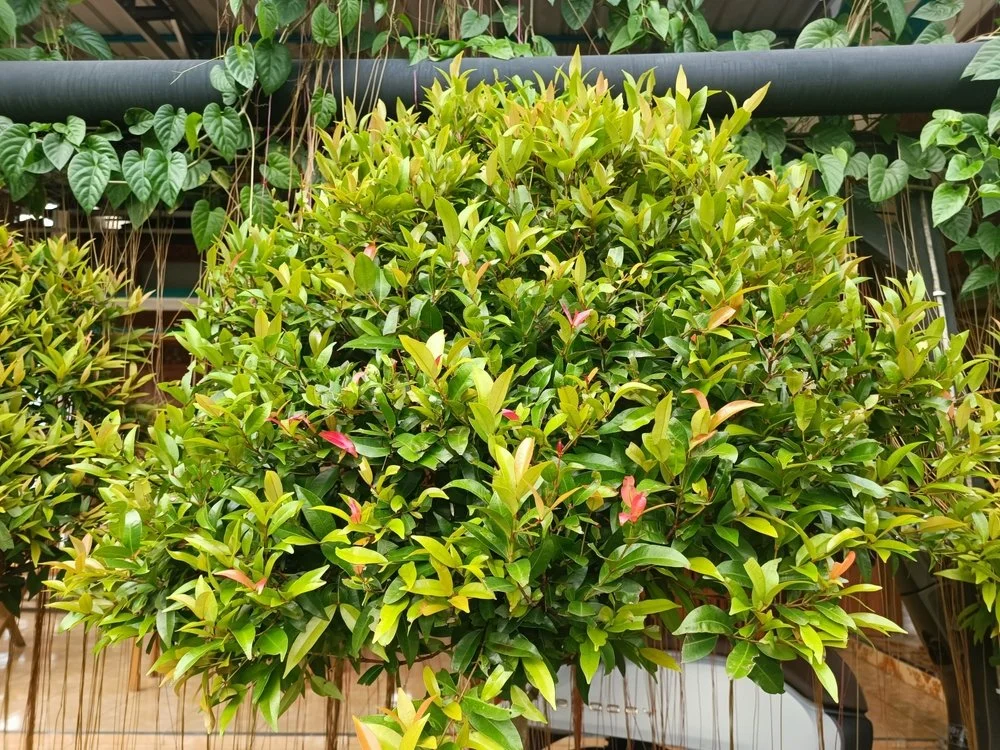
Lilly Pilly is one of the most commonly planted hedging and screening species in Sydney, and ‘Resilience’ is the cultivar we specify above all others. It was developed specifically to resist the lilly pilly psyllid — the tiny insect pest that causes characteristic pimpling and distortion of new growth in older varieties — and in our experience it lives up to that name. In the majority of healthy, well-maintained installations, psyllid damage is minimal to absent.
Keeping a LILLY PILLY HEALTHY
What we have observed consistently across Sydney gardens is that as soil health declines, plant health declines with it — and a plant in decline becomes significantly more susceptible to pest pressure. Lilly Pilly that looks stressed, sparse, or is showing ongoing psyllid damage despite being a resistant cultivar is usually telling you something about what’s happening below ground. Soil testing is our first recommendation in those situations. Compacted, nutrient-depleted, or poorly draining soil weakens the plant’s ability to defend itself, and no amount of pest treatment addresses the underlying cause. ‘Resilience’ performs well across Sydney’s range of soil types — from the sandy eastern suburbs profiles around Randwick and Coogee to the heavier clay soils of Paddington and the inner west — provided drainage is adequate. In coastal positions it handles moderate salt exposure, though it’s not our first choice for fully exposed oceanfront sites.
Quick FActs
| Botanical name | Syzygium australe ‘Resilience’ |
|---|---|
| Common name | Lilly Pilly (Resilience Lilly Pilly) |
| Plant family | Myrtaceae |
| Plant type | Evergreen native shrub / small tree |
| Mature size | 4–6m H × 2–3m W (maintains well as clipped hedge from 1–4m) |
| Aspect | Full sun to part shade |
| Flowers | White fluffy clusters, summer |
| Origin | Eastern Australia (native) |
| Best planting time | Autumn–spring |
| Maintenance level | Low–Medium |
| Sydney suitability | Eastern Suburbs ✓ | Inner West ✓ | North Shore ✓ | Coastal exposed ~ |
Landscape Uses and Style
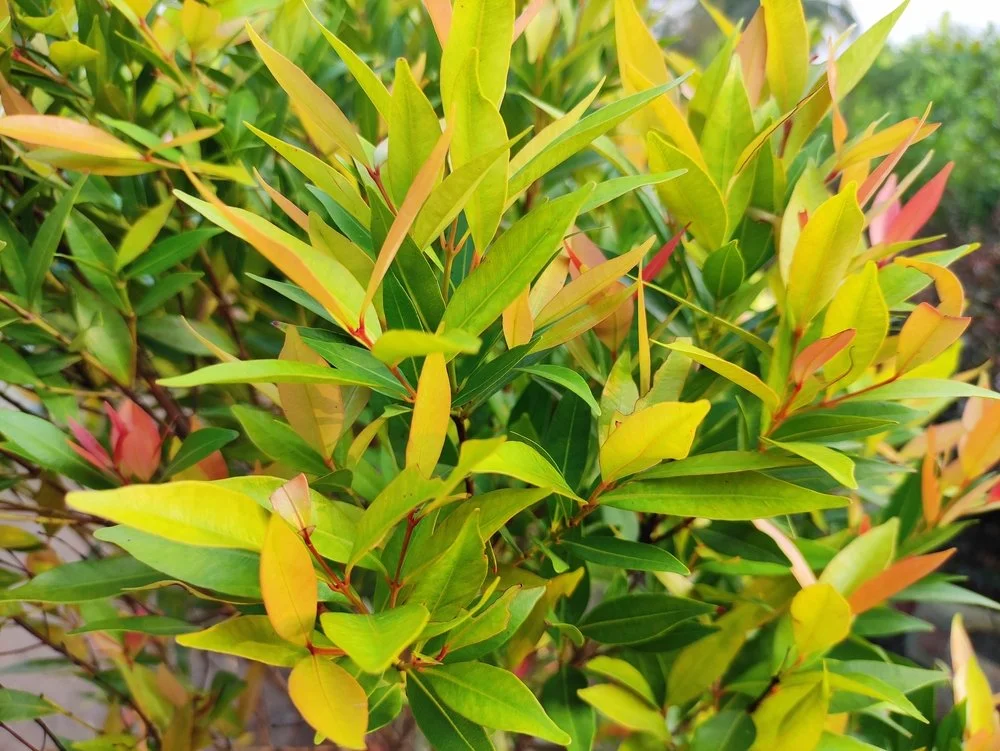
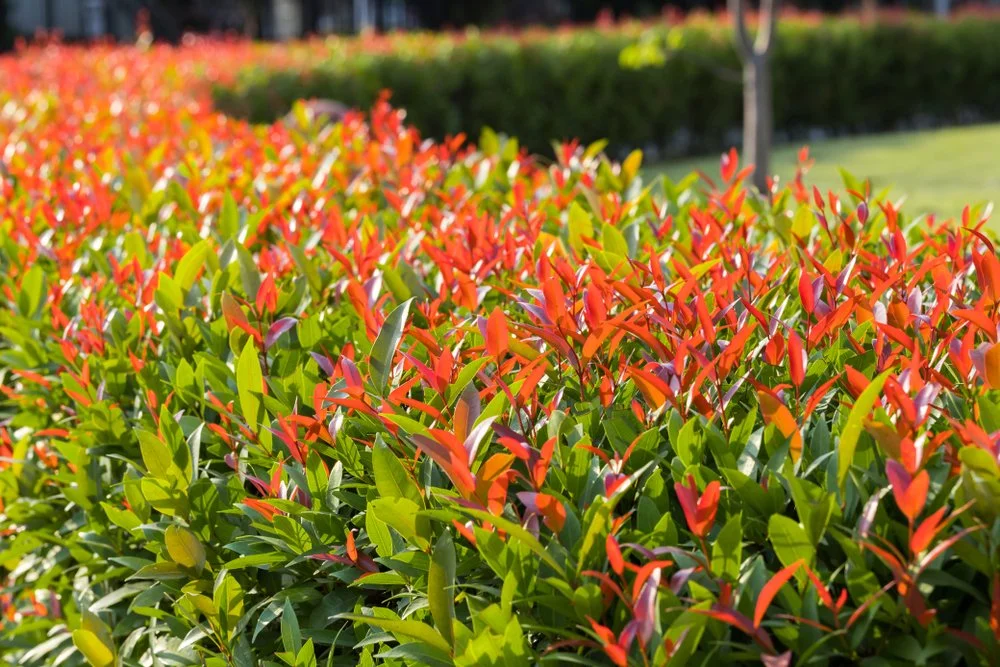
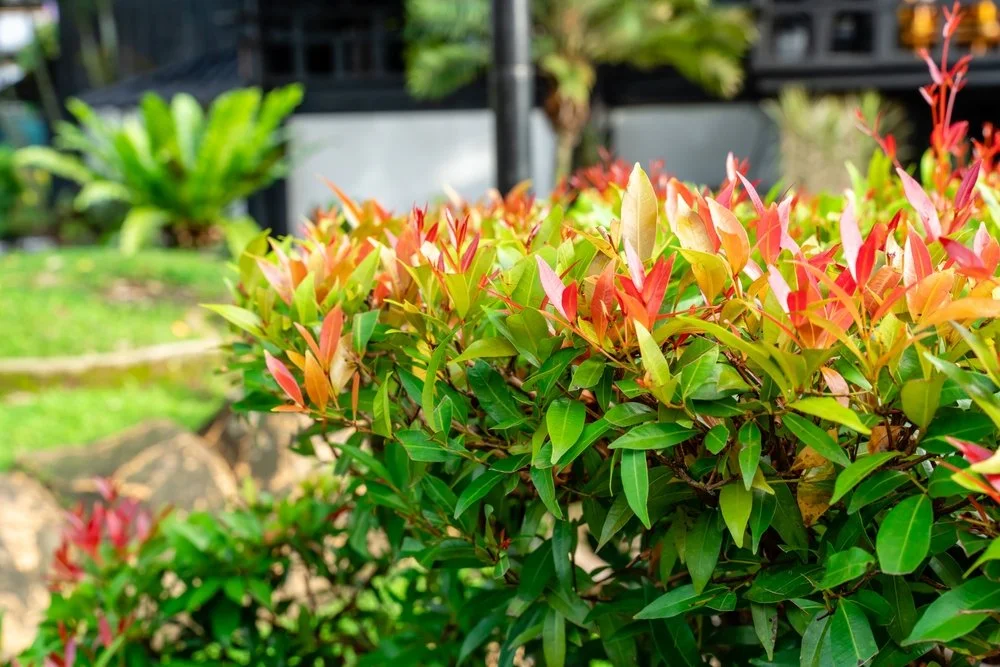
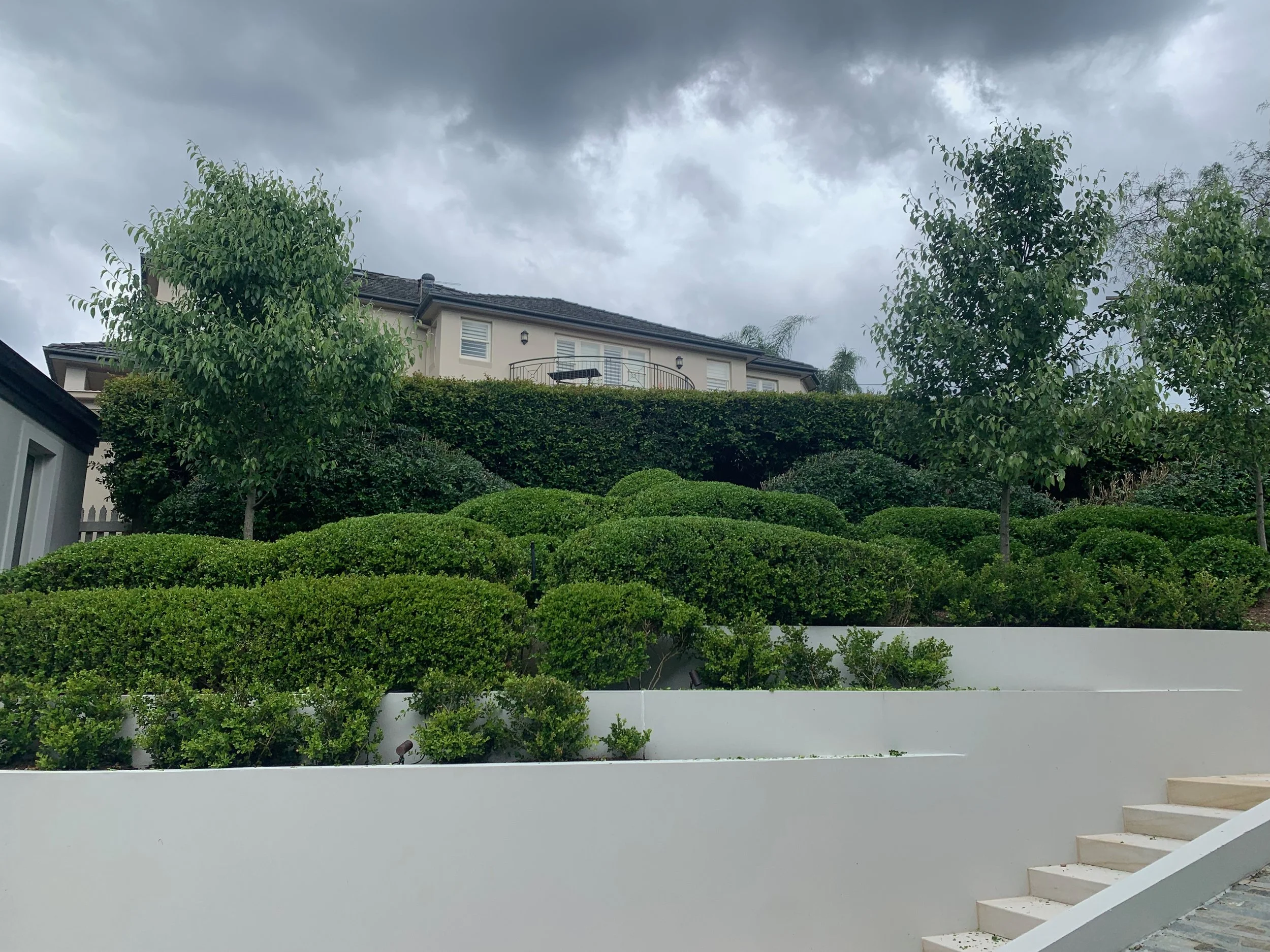
Lilly Pilly ‘Resilience’ is primarily a hedging and screening plant, and it’s excellent at both. It responds well to clipping and can be maintained as a formal hedge at almost any height from 1 metre to 4 metres and beyond. The copper-red flush of new growth is ornamental in its own right — it creates a two-tone effect against the mature dark green foliage that adds visual interest even when the plant isn’t in flower. We use it as a boundary hedge for privacy between neighbouring properties, as a tall screen behind pool areas, as a semi-formal hedge framing garden beds, and as a backdrop plant behind lower-growing species. In native-contemporary planting schemes, it works well alongside Westringia ‘Grey Box’ and Lomandra ‘Tanika’. In more formal gardens, it takes clipping well enough to sit alongside structured Buxus topiary without looking out of place.
Companion Plants
Lilly Pilly pairs naturally with Westringia ‘Grey Box’ as a lower foreground hedge — the silver- grey Westringia contrasts with Lilly Pilly’s deep green and copper new growth. Lomandra Tanika’ works well at the base as groundcover. Magnolia ‘Little Gem’ as a feature tree in the foreground complements Lilly Pilly’s screening role in the background. Star Jasmine trained along a lower fence section beneath a Lilly Pilly hedge adds fragrance and a secondary green layer..
Growing Conditions
Full sun to part shade. Prefers moist, well-drained soil; will struggle in poorly draining or consistently waterlogged positions. Adaptable to a wide range of Sydney soil types including sandy coastal soils and clay-based soils, provided drainage is adequate. Growth rate is moderate to fast once established — expect 30–50cm of new growth per year in good conditions. Frost tolerant. Moderate salt tolerance. Soil health directly affects performance — a well-fed plant in good soil is a more resilient plant in every sense. Soil testing is recommended for Lilly Pilly installations that aren’t performing as expected.
Leaves, Flowers, Fruit
Evergreen. Leaves are oval, glossy dark green at maturity, with distinctive copper-red new growth that appears in flushes through the growing season. White fluffy flower clusters appear in summer, followed by red to purple berries — ornamentally interesting and edible, though not particularly palatable raw. Berries are attractive to birds.
Maintenance
Clip to shape two to three times per year. ‘Resilience’ tolerates hard pruning well and can be rejuvenated if overgrown. Water regularly during establishment; once established, cope well with Sydney’s rainfall pattern with supplementary watering during extended dry periods. Feed with a slow-release native fertiliser in spring — avoid high-phosphorus fertilisers, which can damage Australian native species.
Potential Problems
Psyllid Despite its resistance rating, psyllid can still appear on 'Resilience' when plant health is compromised — almost always a soil health issue first. If damage persists, soil test before reaching for the spray bottle.
Lilly Pilly Beetle The lilly pilly beetle causes distinctive scalloped damage to mature leaf edges — 'Resilience' offers no resistance to this pest. Pressure is usually seasonal and a healthy plant recovers well. Persistent infestations warrant targeted treatment from a licensed applicator.
Poor Drainage Waterlogged soil causes yellowing, dieback, and poor growth. Ensure beds are free-draining before planting.
wE ServicE Sydney's Eastern Suburbs
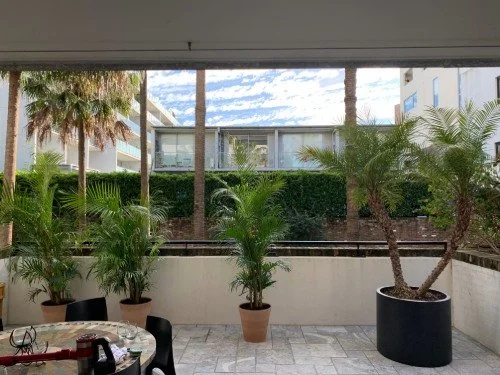
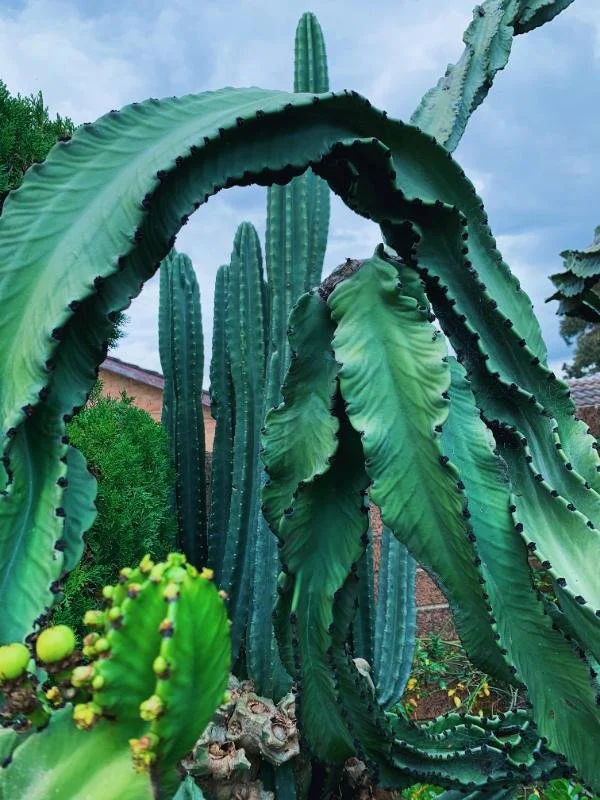
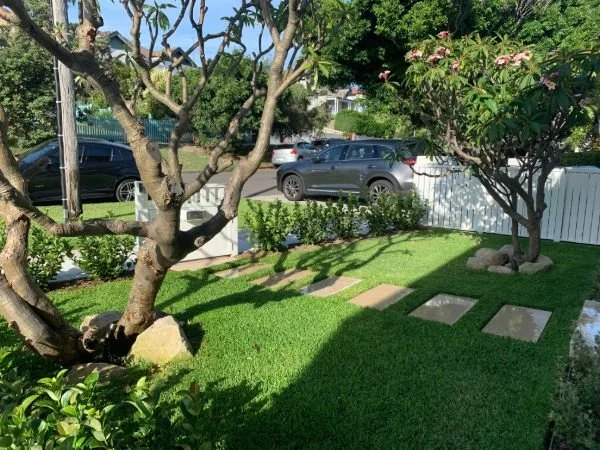
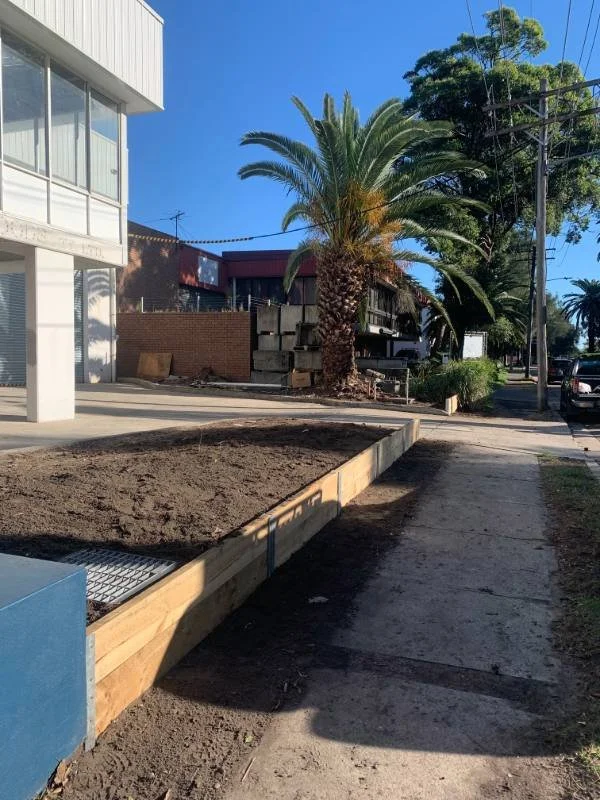
We provide ongoing garden care for private residences, architectural builds, boutique developments, and commercial spaces across Sydney – particularly in the Eastern Suburbs and Lower North Shore.
You'll find us working in:
Wherever your garden is, we bring the same precision, knowledge, and design-led care.
FAQS
Is Lilly Pilly 'Resilience' really psyllid resistant?
'Resilience' was bred for psyllid resistance and in healthy, well-maintained gardens it lives up to that reputation. However, resistance is not immunity. Plants under stress from poor soil health, waterlogging, or nutrient deficiency become more susceptible to pest pressure regardless of the cultivar. Persistent psyllid damage on 'Resilience' is typically a signal of declining soil health rather than a failure of the cultivar's resistance. Soil testing is usually the right first response.
How fast does Lilly Pilly grow as a hedge in Sydney?
In good conditions with adequate soil preparation and regular watering during establishment, expect 30–50cm of new growth per year. A hedge planted at 1.5m height can reach 2.5–3m within two to three seasons without clipping.
What is the best Lilly Pilly cultivar for Sydney?
'Resilience' is our default recommendation for Sydney hedging because of its psyllid resistance, reliable performance across Sydney's range of soil types, and the ornamental copper-red new growth. Older cultivars remain common in Sydney gardens but are more susceptible to psyllid and require more active management.
Can Lilly Pilly grow in clay soil?
Yes — 'Resilience' handles clay soils provided drainage is adequate. In heavy clay with poor drainage, improve soil structure with gypsum and organic matter before planting and, where necessary, raise the planting level slightly. Without these steps, Lilly Pilly in wet clay will underperform significantly.