WOOLLAHRA & DOUBLE BAY — HERITAGE GARDEN STEWARDSHIP
PROJECTS
About The Project:
Woollahra and Double Bay share more than a postcode boundary. Both suburbs sit within the Woollahra Municipal Council area, both feature a high concentration of heritage-listed properties with gardens that have been accumulated over decades, and both present the same characteristic soil profile — amended garden beds over sandstone substrate, with reasonable drainage but limited depth for root development. Maintaining gardens in this part of Sydney requires an understanding of those conditions and the council heritage overlays that shape what can and can't be done.
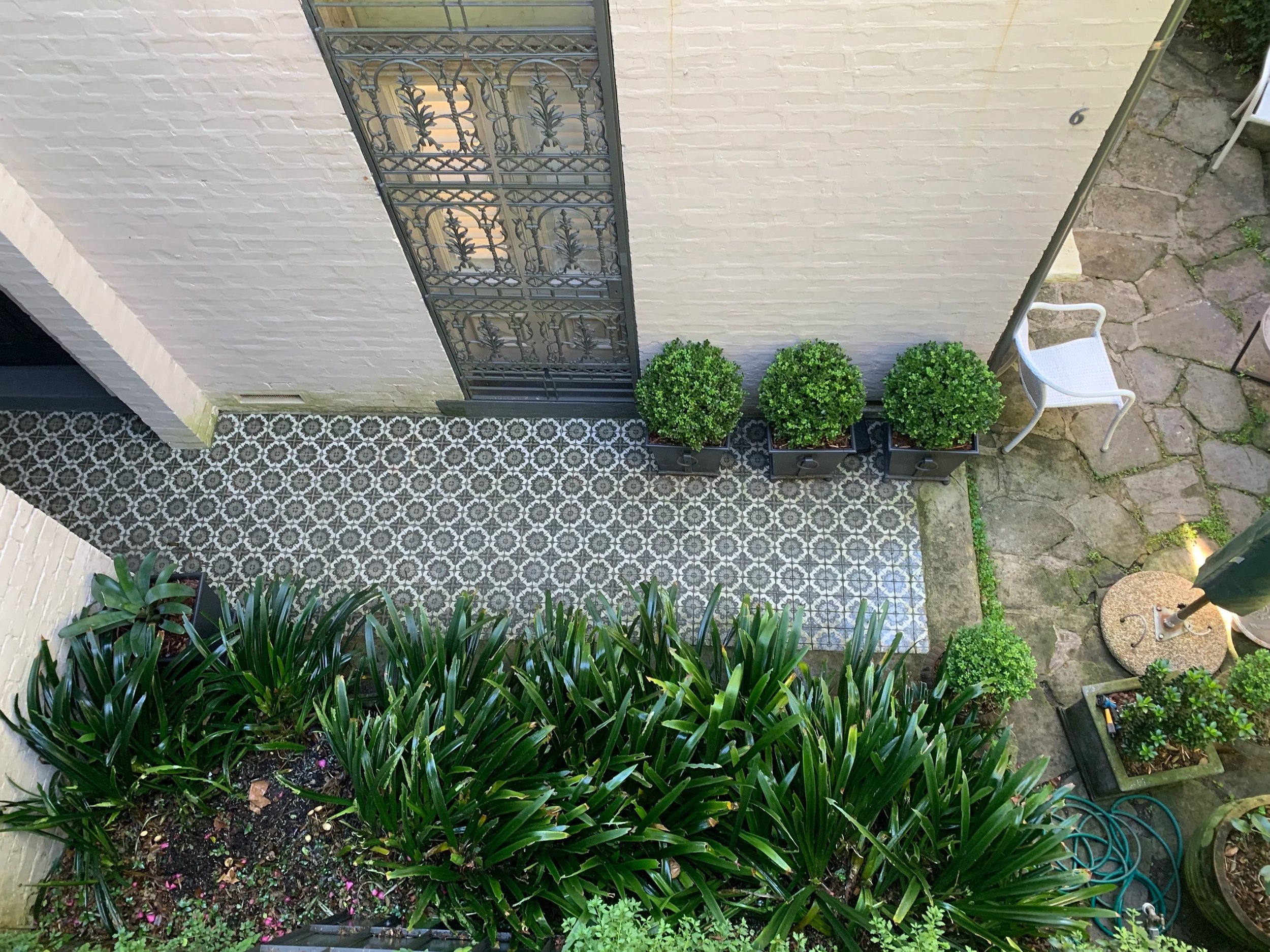
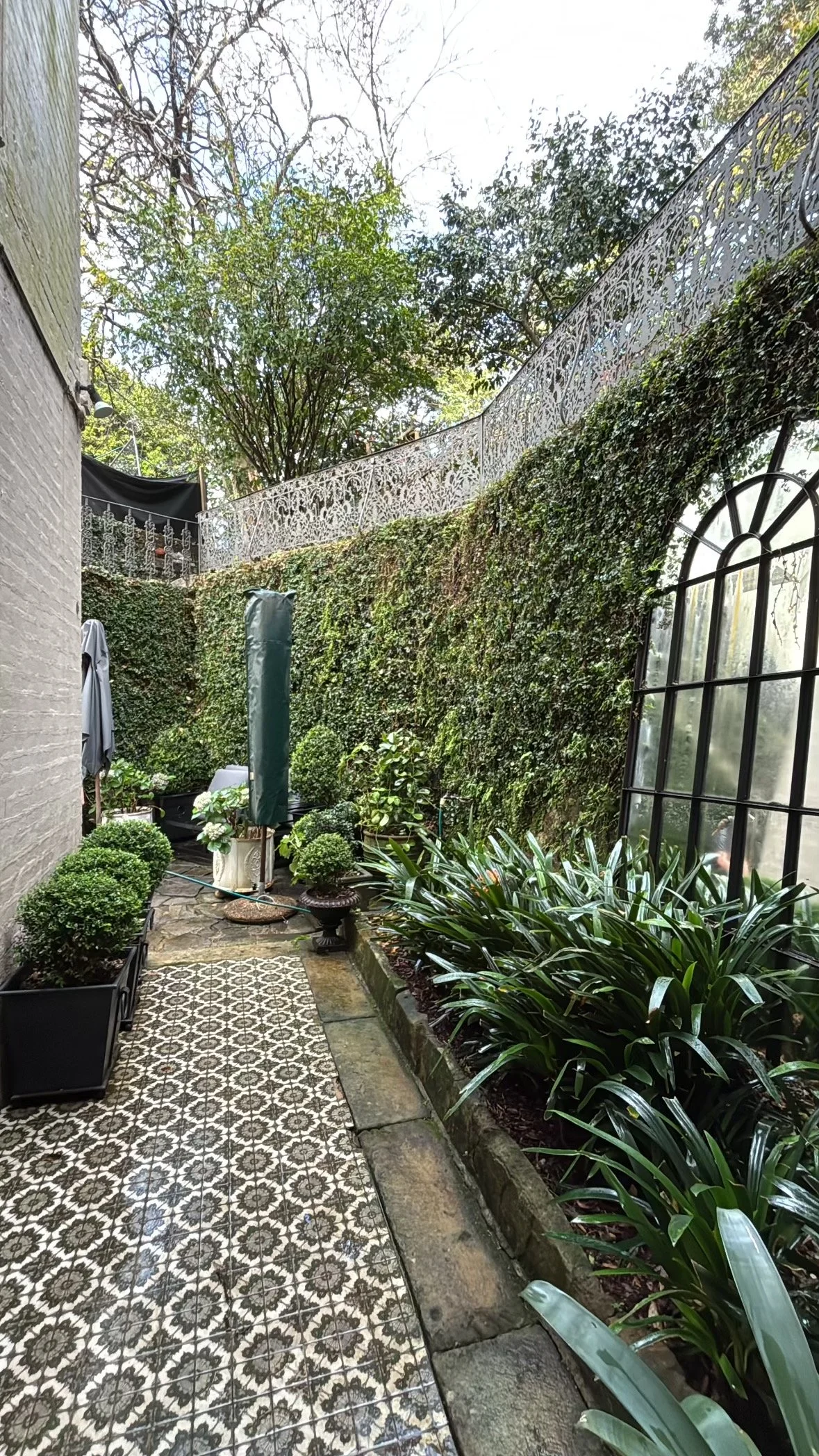
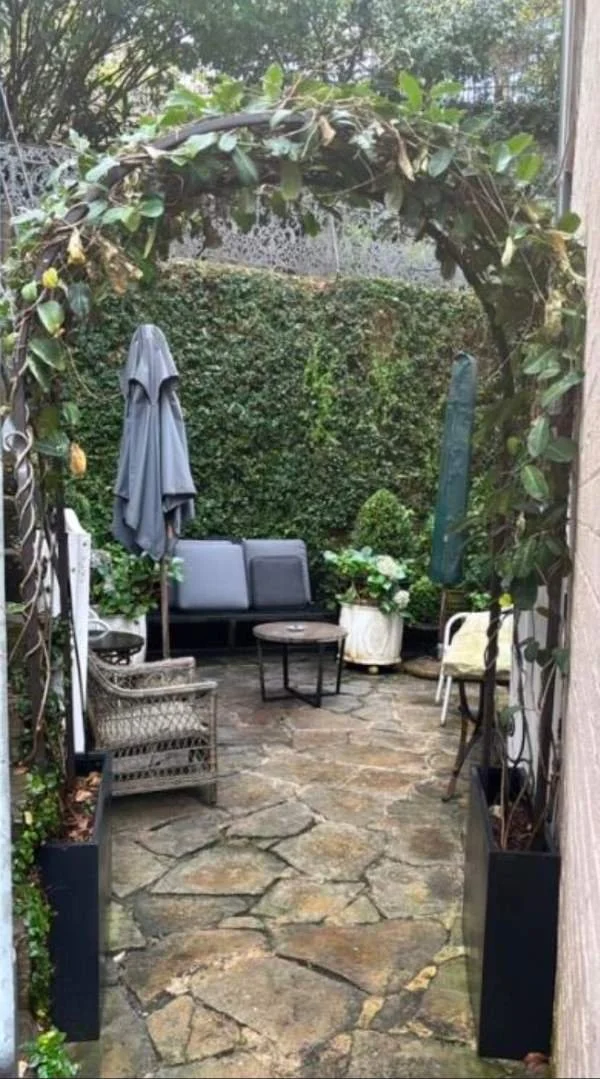
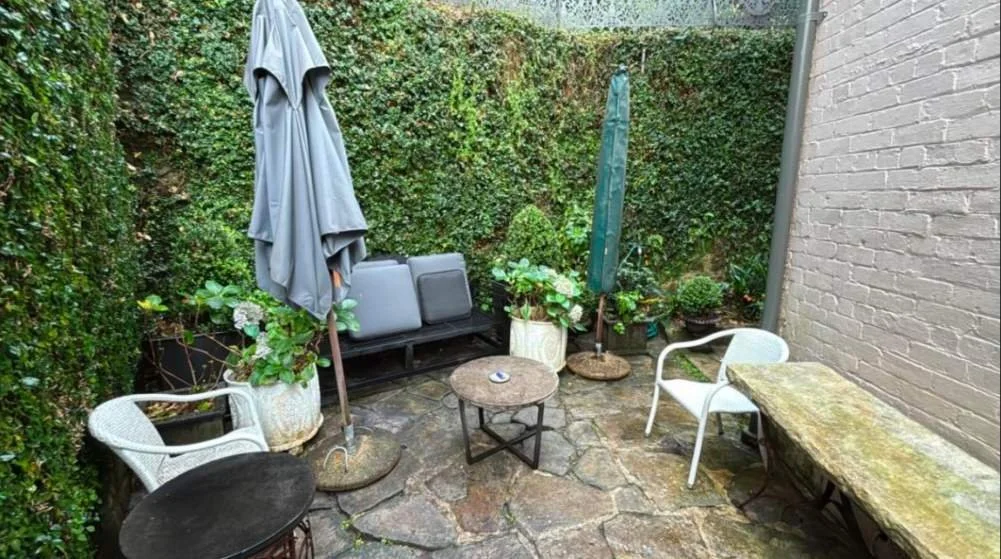
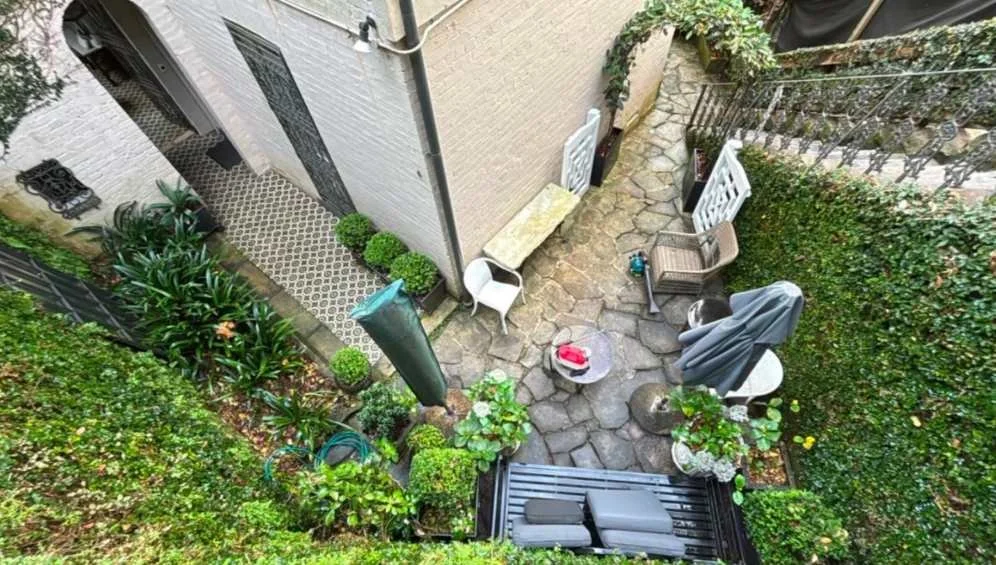
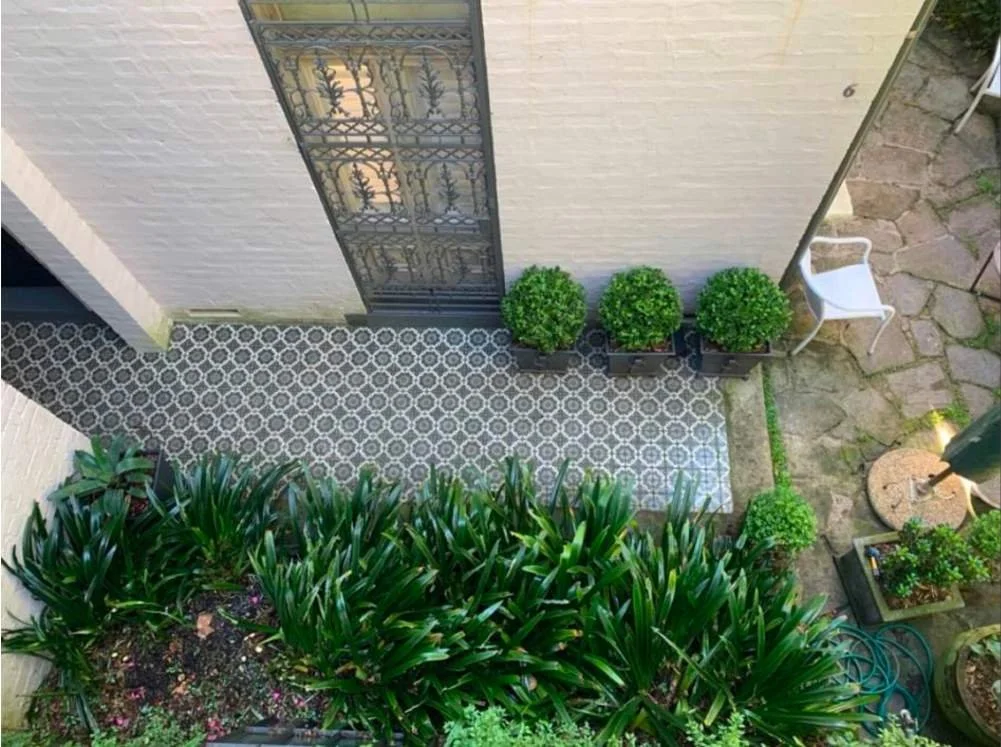
This property is a case in point. A narrow side passage tiled with encaustic cement leads through to a fully enclosed rear courtyard — irregular sandstone paving, ivy-covered walls, ornate laser-cut metal screens, a climbing plant trained over an iron arch, and a collection of Japanese Box (Buxus microphylla) globe topiaries in square black planters. A dense Clivia (Clivia miniata) bed runs the full length of the boundary wall, established in what is typical of older properties in this part of the Eastern Suburbs — amended garden soil over sandstone, with good drainage but limited soil depth for root systems requiring consistent nutrition.
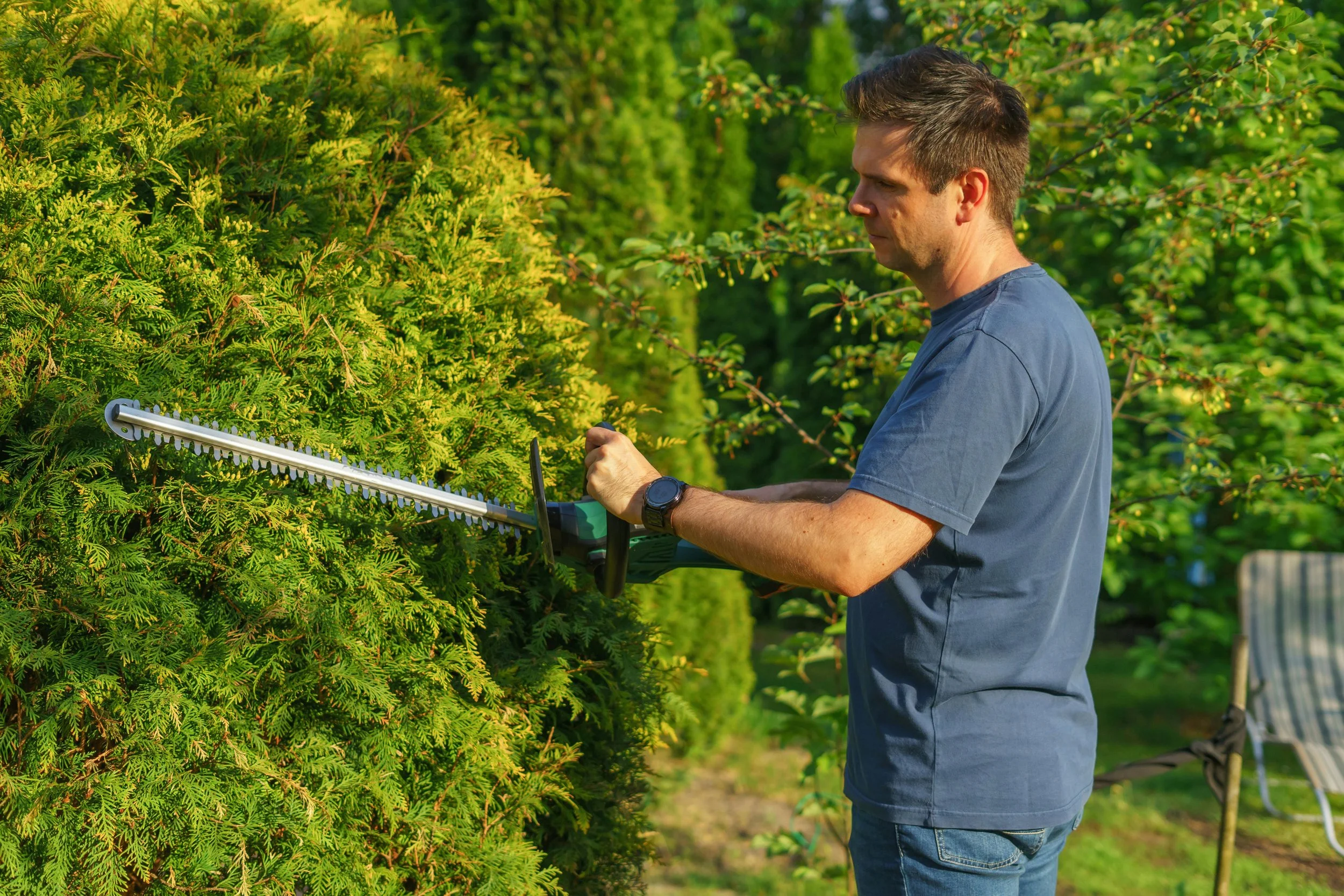
The ongoing maintenance scope covers Buxus clipping to maintain the topiary forms, weeding throughout the beds and paving joints, and general garden tidy including leaf blowing. The Clivia bed requires particular attention — Amaryllis caterpillar (Spodoptera picta) is a recurring pest on Clivia in Sydney's Eastern Suburbs, and integrated pest management is an ongoing part of the program. Left unmanaged, the caterpillar can strip foliage rapidly and compromise an otherwise immaculate planting. Early identification and targeted treatment — rather than blanket spraying — is the approach that protects both the plants and the broader garden environment.
Maintaining a garden like this is less about transformation and more about stewardship — understanding what each plant needs, recognising problems early, and keeping a considered heritage space in the condition it deserves. It's the kind of work that suits both Woollahra and Double Bay properties well — gardens that are already considered, and simply need someone who knows what they're doing to keep them that way.
DISCOVER MORE