
Creating a Stunning Cactus and Succulent Garden: Your Ultimate Guide
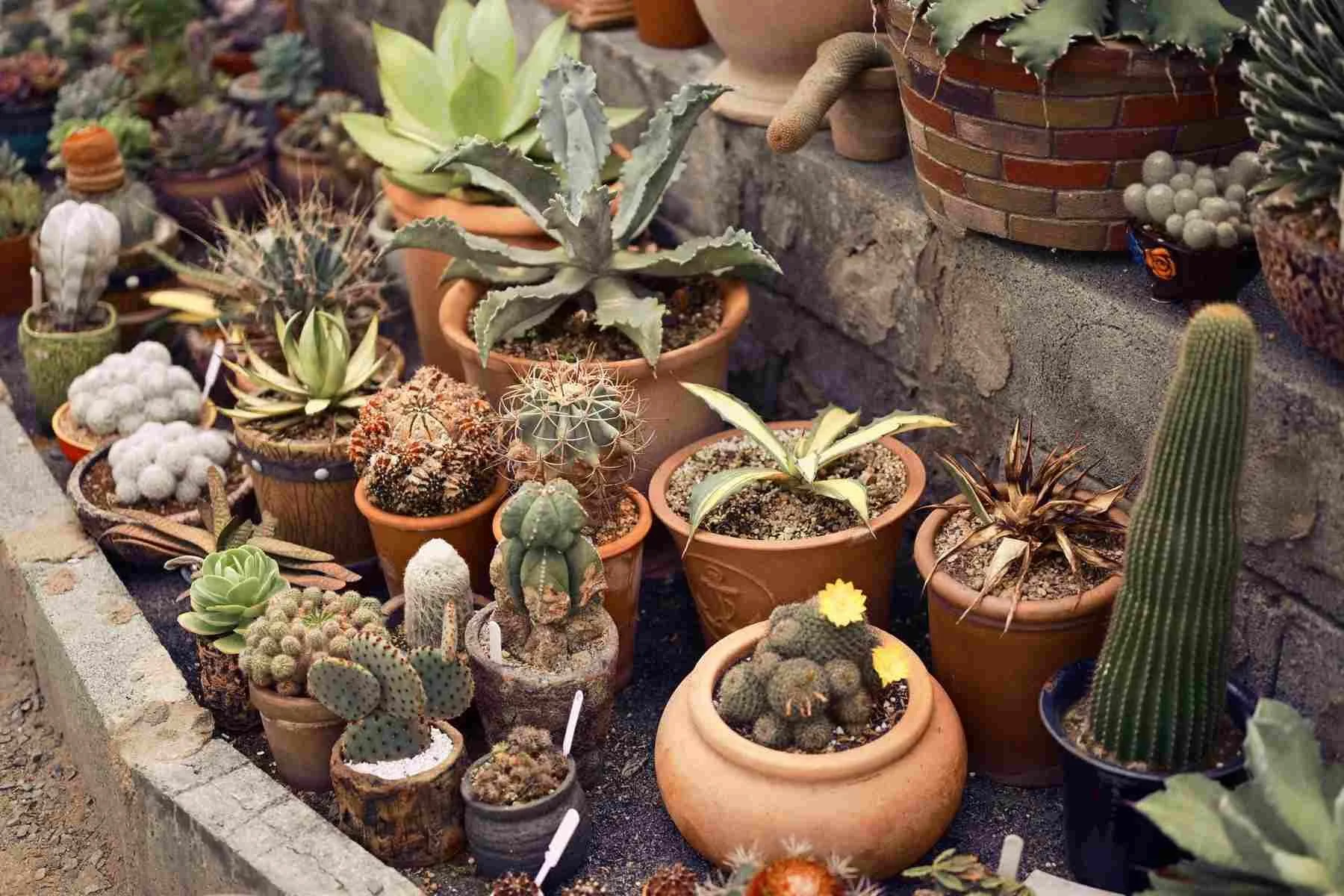
Sydney's increasingly unpredictable rainfall and extended dry summers make one thing clear: water-wise gardens aren't just a design trend – they're smart long-term thinking. Cactus garden design has moved well past novelty. Done well, it produces outdoor spaces that are architectural, low-maintenance, and built to handle what Sydney's climate delivers.
This guide covers everything from choosing the right design style to selecting plants that actually perform in eastern suburbs sandstone soils, so your cactus and succulent garden looks as good in year five as it does on day one.
Key Takeaways
Sydney's humid subtropical climate suits many cacti and succulents year-round, provided drainage is right.
Good cactus garden design starts below ground. Soil preparation matters more than plant selection.
North and north-east aspects get the most direct sun in Sydney, which is ideal for most succulent varieties.
Some Opuntia (prickly pear) species are declared weeds in NSW, so species selection matters legally.
Professional landscaping pays off in larger installations where drainage, scale, and composition are critical.
Why Sydney is Ideal for Succulent Landscaping
Sydney's climate is classified as humid subtropical by the Bureau of Meteorology – warm summers, mild winters, and around 2,640 hours of annual sunshine. Most cacti and succulents need a minimum of six hours of direct sun per day, and Sydney delivers that reliably across most of the year.
Then there’s water. NSW has experienced two record-breaking droughts in the first two decades of this century, with the 2017–2020 drought producing the lowest rainfall in 120 years across many catchments. Water NSW is actively planning for more severe and frequent drought conditions as part of the Greater Sydney Drought Response Plan. This makes designing with drought-tolerant plants a responsible long-term choice for Sydney gardens.
Eastern suburbs and lower north shore gardens also present specific site considerations:
Sandstone-based soils with variable drainage,
coastal salt exposure in beachside suburbs,
and microclimates that can differ dramatically between neighbouring streets.
Understanding those conditions before choosing a single plant is what separates a thriving succulent garden from one that quietly declines.
Cactus Garden Design Styles
Good cactus garden design isn't a single aesthetic. The best outcome depends on your home's architecture and the character of your outdoor space.
Desert Minimalist
Clean lines, open spacing, sculptural specimens like Golden Barrel Cactus (Echinocactus grusonii) or Agave (Agave americana) as focal points, with compacted gravel as the ground plane. Exceptional against rendered or sandstone walls.
Rock Garden
Boulders of varying sizes anchor the composition; succulents are planted into pockets of amended soil between them. Echeverias and Aloes fill beautifully at mid-level; columnar cacti or Agave add vertical interest. This style works naturally with the topography of many eastern suburbs properties.
Contemporary Container Planting
Curated clusters of pots in varying heights, using Euphorbia, Crassula, and trailing Sedum morganianum. Flexible, easy to evolve, and well-suited to terraces, courtyards, and rooftop gardens are common across Mosman, Kirribilli, and Potts Point.
How to Plan Your Succulent Garden
Good succulent landscaping starts below ground. Before selecting a single plant:
Assess Drainage: Dig a test hole 30cm deep and fill it with water. If it drains within an hour, you're working with good-draining soil. Slower than that, and you'll need to assess if the soil needs amending before anything goes in.
Map Your Sun Exposure. North- and north-east-facing aspects receive the most direct sun throughout the day in the southern hemisphere. Eastern aspects suit most succulents; south-facing beds can be a bit limiting and require shade-tolerant species rather than sun-loving cacti.
Factor in Microclimate: Coastal gardens in Bondi, Coogee, or Manly are exposed to salt-laden winds, so choose robust species that tolerate exposure, such as Agave attenuata, Aloe vera, or Aeonium.
For soil, a mix of potting medium, coarse river sand, and perlite (roughly 1:1:1) creates the fast-draining profile most cacti need. In-ground planting in areas with compacted subsoil often benefits from raised beds.
The Best Cacti and Succulents for Sydney Gardens
One important note first: several Opuntia (prickly pear) species are declared weeds in NSW under state biosecurity legislation. Check the NSW WeedWise database before purchasing any Opuntia species – some cannot legally be cultivated or sold in NSW. Responsible cactus garden design means knowing what you're planting.
Strong performers for Sydney conditions:
Agave attenuata: Soft-leafed, architectural, handles coastal salt exposure. No spines, family-friendly.
Aloe vera: Versatile and forgiving. Thrives in containers and in-ground alike.
Echeveria spp.: Rosette-forming beauties. Perfect for rock gardens and containers in dozens of colour variations.
Euphorbia tirucalli 'Fire Sticks': Striking orange-red new growth. Structural year-round. Note: the sap is a skin irritant – handle with gloves.
Golden Barrel Cactus (Echinocactus grusonii): Iconic globular form, slow-growing. Buy mature specimens if you want immediate impact.
Aeonium spp.: Dark-leafed varieties like 'Zwartkop' add drama. They actively grow through Sydney's cooler months, which suits our mild winters.
Planting Your Cactus Garden: Step by Step
Prepare the Site: Remove existing vegetation and test drainage. Amend the soil profile or build raised beds if needed.
Design the Layout: Place plants in their pots first and step back. Tall or structural species sit at the rear; low-growing varieties and ground-hugging succulents fill the foreground. Group in odd numbers for natural visual balance.
Plant: Dig each hole to the depth of the root ball and twice the width. Handle spiny species with thick gloves or folded newspaper. Backfill and firm down, leaving no air pockets.
Mulch: A layer of coarse gravel or pebbles around plant bases improves drainage, reduces moisture contact with the crown, and delivers a clean finished look.
Water In: Water thoroughly on planting day, then hold back. Most established cacti and succulents in Sydney need watering every two to three weeks in summer and considerably less through winter.
When Hiring a Professional Landscaper Makes Sense
Cactus garden design is approachable at the small scale – a container arrangement or modest garden bed with smaller specimens is very DIY-friendly. Larger installations are a different story. Drainage engineering, soil preparation at scale, sourcing mature specimens, and considering plant composition are areas where the wrong call is expensive to fix.
At Succulent Designs Sydney, we approach every cactus and succulent garden from a horticultural base, which means starting with your soil profile, aspect, and microclimate before we touch a plant list.
If you're thinking about a cactus or succulent garden for your home and want a space that performs beautifully over time, get in touch to discuss what's possible.
We transformed a compact terrace into a sculptural "outdoor room" as part of our Surry Hills Project, using a majestic Aloidendron Barberae (Tree Aloe) and Pachycereus Pringlei (Mexican Giant Cactus). This high-impact, water-wise design thrives in Sydney’s urban microclimates with virtually zero maintenance.
Frequently Asked Questions
-
Agave attenuata, Aloe vera, Echeveria, Aeonium, and Crassula (jade plant) are all well-suited to Sydney gardens. For shadier spots, Haworthia and Gasteria perform where others struggle.
The right choice depends on your specific microclimate. Coastal gardens need salt-tolerant varieties; low-light spots require species adapted to reduced sun.
-
Yes, in most cases – but drainage is the critical factor. Sydney's sandstone-based soils often drain well, but areas with compacted clay or heavy subsoil can waterlog roots after heavy rain. Raised beds or an amended soil profile remove that risk. Avoid planting in any spot where water visibly pools after storms.
-
Established plants typically need watering every 2 to 3 weeks in summer and once a month or less in winter. Sydney's average annual rainfall of around 1200mm (Bureau of Meteorology) means established gardens often need minimal supplemental irrigation, particularly during the cooler months. Always water deeply and infrequently rather than shallowly and often – overwatering causes death faster than drought does.
-
Xeriscaping is a landscape design approach that minimises or eliminates the need for supplemental irrigation through careful plant selection, soil preparation, and design. It's well-suited to Sydney, particularly given the city's history of water restrictions and the increasing frequency of drought across NSW. Cactus and succulent gardens are a natural expression of xeriscape principles, combining aesthetic impact with very low water demand.
-
A north or north-east aspect is ideal – these receive the most direct sun across the day in the southern hemisphere. Eastern aspects work well for most succulent varieties, providing reliable morning sun. South-facing beds are the most limiting; if that's what you have, lean into shade-tolerant species like Haworthia or Gasteria.