
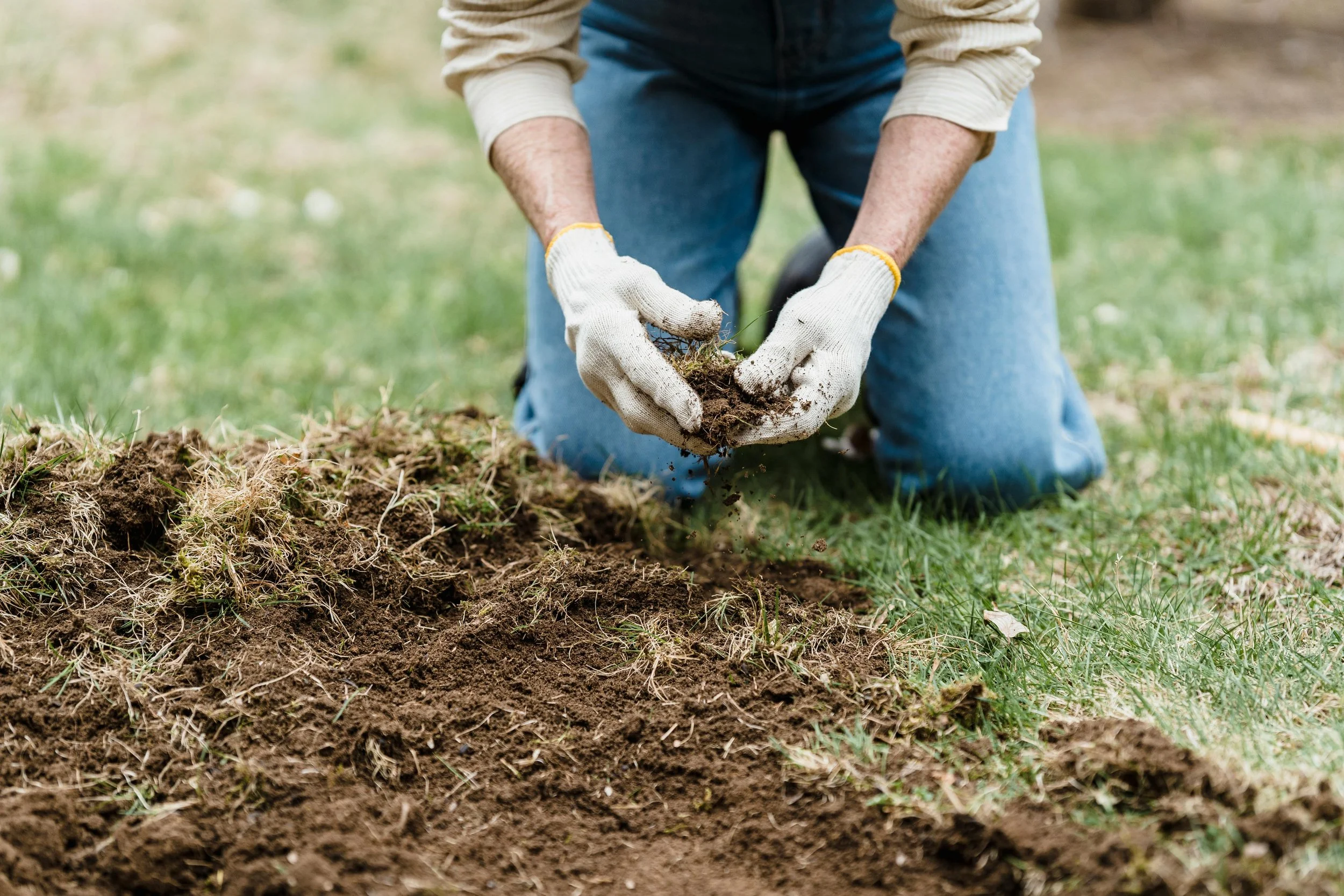
Most gardens don't fail because of the plants chosen but because of what's beneath them. If you've watched a beautiful planting slowly decline despite every effort, there's a good chance the problem started underground. Your soil is the foundation of your garden, and it directly impacts the long-term success of your landscaping.
Knowing how to prepare soil for planting in Australia begins with one step: testing what you've actually got.
Key Insights
Sydney soils are predominantly sandy (eastern suburbs) or clay-heavy (shale-based areas), and neither is naturally nutrient-rich
Most Sydney soils, particularly in the Eastern Suburbs, tend toward acidity with pH readings commonly between 5.5 and 6.5; however, imported or disturbed soil profiles can yield unpredictable pH levels
Soil testing reveals pH, nutrient levels, drainage behaviour, and potential contaminants before a single plant goes in
Results directly inform plant selection, soil amendments, and long-term garden success
Professional soil testing is the smartest first investment in any serious garden project
What Does a Soil Test Actually Tell You?
Understanding why soil testing is important for gardening starts with knowing what a test actually reveals. A comprehensive assessment will analyse:
pH level – whether your soil is acidic, neutral, or alkaline (most plants prefer between 6.0 and 7.0)
Macronutrients – nitrogen, phosphorus, and potassium levels available to plant roots
Organic matter content – which drives moisture retention, soil structure, and microbial life
Drainage and texture – how water moves through your soil and how well it supports root development
Potential contaminants – pathogens, pests, or heavy metals that can undermine new plantings from the start
Without this picture, preparing soil for planting becomes guesswork. You might add compost to ground that's already phosphorus-saturated, or place a moisture-sensitive species into a site that drains too slowly – both expensive missteps that testing would have prevented.
Why Sydney's Soil is Trickier Than It Looks
Understanding your site starts with accepting a local reality. Sydney's bedrock is predominantly sandstone and shale. Areas over sandstone tend towards sandy soil, while shale-based areas are more likely to produce clay soils. Neither is particularly rich in plant nutrients.
In the eastern suburbs, large deposits of marine sand extend from around Centennial Park south toward Botany Bay. Near the coast, soils drain quickly but struggle to retain nutrients or moisture effectively. On the lower north shore, conditions shift considerably from street to street; some sites carry deep clay subsoils, while others show the thin, sandy profiles typical of sandstone ridgelines.
Then there's the development factor. On renovated or newly built properties, the original soil profile is often dramatically altered: topsoil stripped back, fill brought in, drainage disrupted in ways that only become apparent once plants start declining.
This is precisely why learning how to prepare garden soil for planting in Australia, particularly across Sydney's variable conditions, means starting with data.
How to Test Your Soil
There are two practical approaches, and both have a place depending on your goals.
DIY Testing
Using a kit from a nursery or hardware store gives you a basic pH reading. It won't reveal nutrient imbalances, drainage performance, or contamination, but it's a useful first indicator. It’s recommended that you take multiple samples from different areas to get an accurate result – soil conditions can change significantly within a single site.
Laboratory Testing
A professional assessment analyses macro and micronutrients, organic matter, cation exchange capacity (how efficiently your soil holds nutrients), drainage behaviour, and biological activity. For garden projects in Sydney's eastern suburbs or lower north shore, where soil profiles are highly variable, professional soil testing for garden beds gives you the actionable data to prepare soil correctly before a single plant goes in.
Why Soil Testing is the Starting Point for Plant Selection
One of the most important reasons soil testing is important for gardening is the direct influence it has on plant selection. When soil chemistry and structure are known, every species decision becomes more deliberate.
A sandstone site in Vaucluse with fast-draining sandy soil is well suited to coastal natives; banksias, grevilleas, and coastal rosemary thrive in low-nutrient, well-drained conditions. Place a lush, moisture-loving species into that same ground without amendment, and you'll be battling constant wilting. Equally, a clay-heavy site on the lower north shore needs careful preparation before plant installation – gypsum to address compaction, organic matter to improve aeration, and targeted compost to build nutrient availability.
Soil testing removes the mismatch between plant ambitions and ground reality.
How to Improve Your Soil Once You Know What You've Got
With test results in hand, soil improvement becomes targeted rather than general. Common strategies include:
Acidic soils (pH below 6.0): Add agricultural lime or dolomite to raise pH gradually
Sandy soils: Incorporate compost and organic matter to build water and nutrient retention
Clay soils: Apply gypsum and organic amendments to break compaction and improve drainage
Nutrient-deficient soils: Use specific fertiliser applications based on identified gaps, not broad-spectrum products
Contaminated soils: Address pathogens or heavy metals before any planting begins
Mulching follows amendments in almost every case. It conserves moisture, regulates soil temperature, and feeds soil biology over time as it breaks down.
How to Prepare Soil for Planting in Australia: Start Below the Surface
Every beautiful garden begins underground. No matter how considered the plant palette or how refined the design, if the soil isn't right, the garden will struggle. Understanding how to properly prepare soil for planting in Australia and knowing your specific site through testing removes the guesswork that undermines so many otherwise well-planned garden projects.
Ready to skip the guesswork? Our qualified horticulturists at Succulent Designs Sydney assess your site thoroughly – testing pH, nutrients, structure, drainage, and biological health – then translate results into a soil conditioning strategy aligned with your design goals. Speak with a horticultural advisor before anything else goes in the ground.